@calebjross Just finished your book #StrangerWill and I totally cried. my God. I wasn’t expecting this!!
— MartheBozart (@MartheBozart) February 4, 2013
Category: Marketing & Promotion
-
Sometimes, it feels good to make a person cry.
-

Just Tell a Goddamn Story
I once again grace the liternet over at Slothrop.com with an article whose title might just be more compelling than the content.
No, really, you should read it though. Realize that you have to just tell a goddamn story.

-
FREE copy of my “new” novel, Stranger Will, to willing readers
Click the image above to view the video My first novel, Stranger Will, is being re-released this January 25th, 2013 through Perfect Edge Books. However, I have a stack of unedited proof copies from the previous publication that I need to get rid of. Here’s where you come in.
I will send a free copy (until my limited supply runs out) to anyone willing to read the book and provide a video review. The review doesn’t even have to be positive. Just provide your honest response.
What’s the catch? No catch. I’ll even pay for shipping the book to you.
Because the book will be released on January 25th, 2013, I’m hoping for reviews to be uploaded as soon as possible. However, if you can’t meet the 25th deadline, anytime soon after is quite cool by me.
If you have questions, just ask in the comments at the YouTube video page.
-
The Art of the Domestic Grotesque: An Interview with Caleb J. Ross in the newest issue of Surreal Grotesque
I’m not sure why I received this error message (I could read the issue just fine) but the language seems strangely apropo. I’m honored to have been able to spout off a bit for the newest issue of Surreal Grotesque magazine.
Here’s a taste:
Your work doesn’t really resemble a genre in any way, which is nice, although people try to pigeonhole certain writers as being Chuck Palahniuk-esque or in the vein of “urban noir”. If you had to describe your writing style of work to someone who has never read you before, how would you describe your writing?
I use the term Domestic Grotesque a lot, which basically means family dynamic meets visceral irrationality. The best example I can think of—though this book came out after I coined the term Domestic Grotesque—is Matt Bell’s Cataclysm Baby. A lot of Brian Evenson’s work would also fit. I love the imagery I can get away with when I write the grotesque, and I love the inherent tension when dealing with a family and their inborn troubles.
I’m not against being compared or pigeonholed. In a way, it’s validating to know that I, as an author, belong to something greater than myself. Wow, that sentence makes me seem like my own anti-hero.
Head over to the Surreal Grotesque Issuu site to read the rest of the interview. Stick around for an interview with Richard Thomas and work from Chris Deal among others. You won’t be sorry.
-

How does an author use YouTube? This Thursday, LIVE Hangout. I drink and act a fool with ePublish Unum! You can be a part of it.
It’s short notice, I know, but really you weren’t going to remember anyway.
THIS THURSDAY, December 20, I will be participating in the LIVE Google+ Hangout with Evo Terra and Jeff Moriarty of ePublish Unum and the Books & Beer Hangout.
Mark your calendars.
I’ll answer questions about how I use YouTube. More importantly, however, there will be a LIVE Q&A session where YOU can ask any question you want.
Total running time is only about 30 minutes, so I promise this won’t ruin your evening.
When:
- 6pm Pacific
- 8pm Central
- 9pm Eastern
Where:
Just click over to the ePublish Unum Google+ Page at the designated time. Can’t remember that? Just go to cjrlit.com/beerhangout and you’ll be immediately redirected to the proper place.
Want more of a taste? Watch this:
-
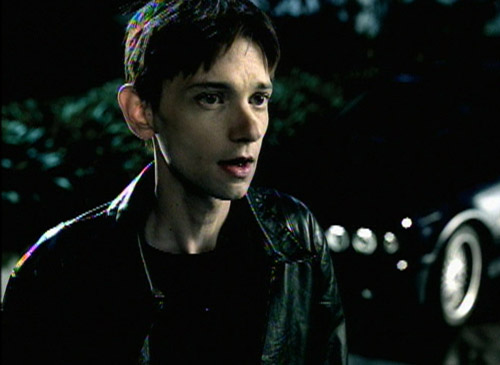
D.J Qualls as a morally confused human stain cleaner in the movie adaptation of Stranger Will?
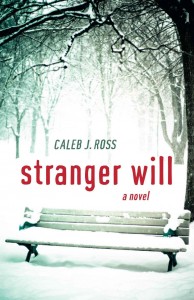 Am I the Next Big Thing? Up-front honesty: no, I’m not the Next Big Thing. However, I have been asked by Richard Thomas to be a part of this blog Q&A thing called The Next Big Thing. I’d explain what The Next Big Thing blog Q&A is, but really, little explanation is needed. I was asked the following questions, and in turn, I will ask the following questions of a new group of writers (listed below the responses). On to the self-indulgence.
- What is the working title of your next book? Technically, it’s Stranger Will, due out January 16th 2013, but that’s a re-release of a novel. As for unpublished work, I’m working on two: The Synapse and The Bettors; I promise neither title will stay, as they both follow an unfulfilled [definite article] [vague noun] pattern that should probably be reserved only for terrible magazine rack thrillers.
- Where did the idea come from for the book? Stranger Will is a composite of two dissimilar ideas which I’ve forced to exist in the same world: 1) a man who cleans up the remains left from dead bodies (I read a short newspaper article about this occupation years ago, which sparked my interest), and 2) messenger pigeons being shot down before they could deliver their messages. This literal interrupting of a communication was very interesting to me.
- What genre does your book fall under? It’s been called horror. I’d agree with that. Psychological, if so. It’s also a definite noir story in the true sense of the term, meaning morally ambiguous character ends no better off than when he started.
 What actors would you choose to play the part of your characters in a movie rendition? Mrs. Rose, the villain, a grade school principal with evil intentions, would be Gloria Stuart if she were still alive. So, probably Margo Martindale. The protagonist, a run-down human stain cleaner, William Lowson, I’d see a skinny thirty something. Maybe if D.J Qualls wanted to turn dark, he’d be good for it.
- What is the one-sentence synopsis of your book? In this novel of impending fatherhood, an idealistic teacher recruits a pliant protégé to join her group of Strangers – a devout collection of kindred minds who have dedicated their lives to cultivating a unique idea of perfection; but joining is easier than leaving.
- Will your book be self-published or represented by an agency? Neither. It’s being published by Perfect Edge Books (based out of the UK) with no agent representation.
- How long did it take you to write the first draft of the manuscript? One year.
- What other books would you compare this story to within your genre? Maybe, Camus’ The Stranger (not just in title).
- Who or what inspired you to write this book? A newspaper article written about a person who professionally cleans the remains of dead bodies. Occupations have always been rich impetuses for characters.
- What else about the book might pique the reader’s interest? This re-released version has been expanded with additional content including an interview, essays, and more. Also, it’s been called Zen and the Art of Motorcycle Maintenance for a new generation.
I’ve nominated (and more importantly, they’ve agreed to participate) the following writers.